VisitSDB
Connecting you to the source
Loading VisitSDB. Please wait.
VisitSDB
Connecting you to the source
Loading VisitSDB. Please wait.
Surat's dominance in diamond manufacturing is not a niche fact — it is the central reality of the global diamond supply chain. Here is why buyers sourcing diamonds direct start here.
~90%
Of world diamonds cut & polished here
$24B+
Historical annual industry turnover
6,000+
Polishing units citywide
700K+
Skilled workers in the trade
Ask any diamantaire where the world's diamonds are actually cut, and the answer is almost always the same: Surat. Rough stones arrive from mines in Africa, Russia, Canada, and Australia, and a large share of them pass through Surat before they ever reach a retail counter anywhere in the world. At its peak, the city's diamond industry has generated more than $24 billion in annual turnover, running through more than 6,000 polishing units and employing upwards of 700,000 skilled workers.
This isn't a boutique cluster of a few large factories — it's a dense, specialized ecosystem. Cleaving, cutting, polishing, grading, and finishing are often split across different specialist units, each competing on precision and yield. That density is exactly why costs stay competitive and why quality has climbed steadily over the past two decades: intense competition inside one city, at a scale no other cutting center can match.
Manufacturing vs. Trading
Antwerp, Tel Aviv, and Hong Kong remain critical hubs — for certification, finance, and secondary trading. But manufacturing scale is different from trading scale. Labor specialization built up over generations, machinery investment, and sheer throughput capacity mean that shifting large-scale cutting and polishing elsewhere would take decades, not years.
Surat's advantage compounds: more volume brings more specialized labor, which brings more precision, which brings more volume.
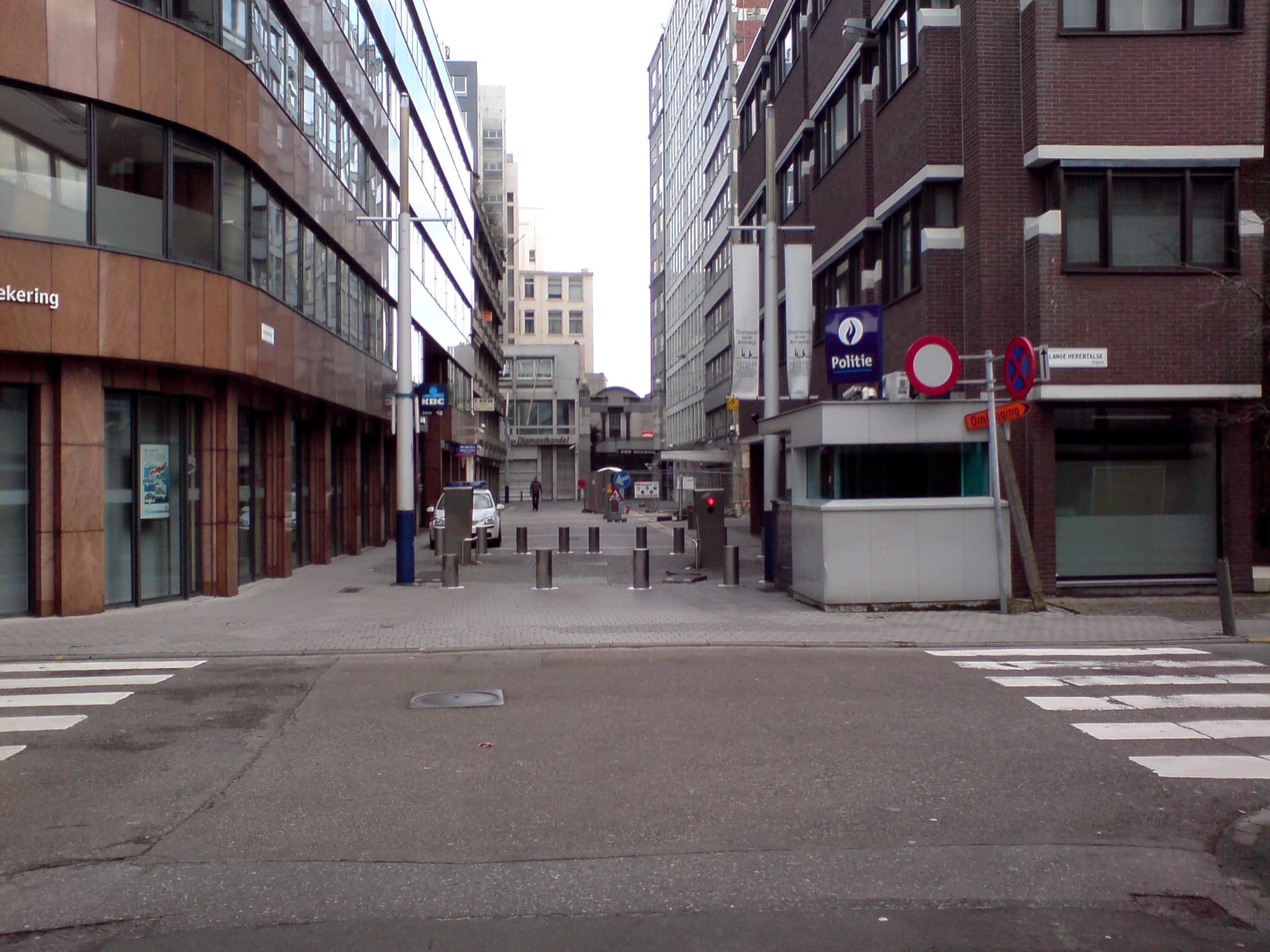
Every major hub plays a role in the global trade — but only one is where the stones themselves are actually made.
| Hub | Primary Role | Scale |
|---|---|---|
| Surat, India | Manufacturing — cutting & polishing | ~90% of world volume |
| Antwerp, Belgium | Trading, certification, finance | Major secondary trading hub |
| Tel Aviv, Israel | Trading, certification, finance | Major secondary trading hub |
| Hong Kong | Distribution, Asia-Pacific trade | Key regional distribution center |
If nearly every diamond a buyer will ever purchase has passed through Surat at some stage, the practical question becomes: why buy several links down the chain instead of at the source? Each intermediary step — trader, cutter's agent, wholesaler, importer — adds a margin and a layer of distance from the actual manufacturing floor. Buyers who source directly in Surat aren't chasing a novelty; they're removing avoidable cost and getting closer to verifiable origin.
That is the gap Surat Diamond Bourse was built to close — a single, secure, purpose-built trading complex that puts direct manufacturers and international buyers in the same room.
From first enquiry to a direct deal on the trading floor — here is the full buyer journey.